
When you think of medical transportation you probably think of an ambulance, or maybe even medical/rescue helicopters. However, some of the most commonly used forms of medical transportation aren’t emergency vehicles at all. In fact, non-emergency medical transportation is actually more commonly used than emergency vehicles. This has spawned an entire industry dedicated to providing people with the medical transportation they need during non-emergency situations. These 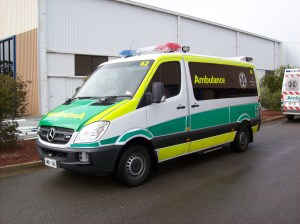 businesses tend to keep fleets of various non-emergency medical vehicles and work with other businesses or the government. In some occurrences, they may even work directly with the patient though this is not as common.
When to use Non-emergency medical transportation
At this point you may be wondering what the big deal is about non-emergency medical transportation and why hospitals don’t just use their own ambulances. The reason for this is actually very simple. Emergency medical transportation, such as the ambulances you’re likely familiar with, are for emergency use only. They simply don’t have time to go and help every patient get to the medical facility during non-emergency situations. Also, sending an ambulance for a non-emergency situation is a bit like sending a battleship to rescue someone who’s drowning; its overkill.
Instead, non-emergency medical transportation is used when patients need to get to a medical facility in a timely manner but without the need for life saving/supporting medical equipment and the other complex medical gear that a traditional ambulance carries. In a way, these transports can be thought of as medical taxis. For example, if an elderly woman in a wheel chair needs to get to her doctor for a checkup or to the hospital for some blood tests one of these transports can go retrieve her, take her to her destination, then take her back home again when she’s done. These transports often times have special features, such as wheelchair lifts, for specific types of patients. Also, If the destination is state to state, or over 200 miles, this air medical services company will have you covered. They are a leader in long distance medical transportation.
Basically the idea is to help provide people with a way to reach medical facilities for routine appointments when they’re not able to do so on their own or if they have certain special needs. This includes transferring a patient from one medical facility to another while ensuring that they are receiving the medical support they need to survive the journey. As previously mentioned, using an ambulance for this purpose would be inefficient. Non-emergency medical transports excel at these types of jobs due to their availability and efficiency.
Comfortable transportation
Another great thing about non-emergency medical transportation is the fact that since they aren’t loaded up with tons of medical equipment, like a traditional ambulance, they are able to offer their passengers a host of amenities to make their ride much more comfortable. The types of amenities offered differs by model but some common features are TV, wifi, and the ability to play DVDs and/or BluRay. This helps to keep the patient calm during the trip and can help prevent small children from growing board if the trip is long. Some medical transports may offer bottled water as well, to help keep patients hydrated.
In the end, a non-emergency medical transport is designed to be as comfortable to the patient as possible. This is good for the patient’s health and makes the experience a bit more pleasant since doctors/hospital visits usually aren’t a great deal of fun. Also the transport assigned to each person will be one that meets any special needs they have.